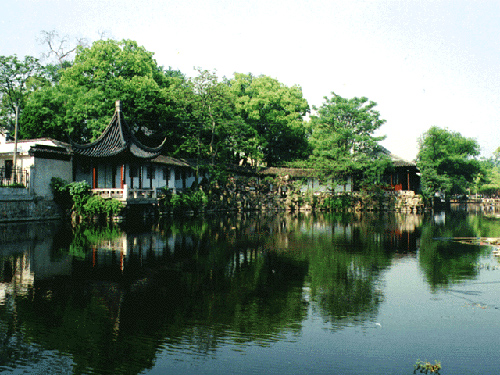
The Canglang Pavilion
Introduction
The Canglang Pavilion, situated in Suzhou, Jiangsu province, is one of the renowned classical Chinese gardens that exemplify the principles of traditional Chinese garden design. These gardens aim to recreate miniature natural landscapes, creating a profound harmony between humanity and nature. Among the nine classical gardens of Suzhou, the Canglang Pavilion stands out for its unique historical significance and is celebrated as one of the premier examples of Chinese landscape gardening. The classical gardens of Suzhou, including the Canglang Pavilion, were added to the World Cultural Heritage List in 1997, emphasizing their importance in the study of Chinese gardening, architecture, culture, aesthetics, and philosophy.
History
The Canglang Pavilion itself was built in the early 11th century, making it the oldest among Suzhou's existing gardens. The site originally housed a garden constructed by the King of the State of Wu, which later inspired the creation of private gardens starting from the 4th century. These gardens flourished especially during the 18th century. The Canglang Pavilion was constructed on the site of an earlier destroyed garden, embodying the deep-rooted tradition of garden artistry in Suzhou.
Architecture
Design and Layout
Naturally laid out and well designed, the Canglang Pavilion is called one of the four best gardens in Suzhou - the other three being Lion Grove Garden, Humble Administrator's Garden and Lingering Garden. The garden looks simple but natural. Without contrived decorations, it combines buildings with scenery so perfectly that the whole garden appears to be naturally endowed. The garden is built along a small pond. In front of its north gate, there is a stone bridge. Entering the garden, you can see a yellow rock. Behind it, there is an artificial hill made of stone and earth. It is naturally made, properly arranged, and appears steep and magnificent. Since there is a courtyard on each side of the garden, it is named Ouyuan, meaning double courtyard.
Key Features
Key features of the Canglang Pavilion include the stone bridge, the yellow rock, and the artificial hill. These elements are carefully arranged to create a sense of natural beauty, with the garden's buildings blending seamlessly into the landscape. The garden's layout is simple yet sophisticated, avoiding contrived decorations. Instead, it highlights the natural endowments of the site, allowing visitors to experience the tranquility and elegance characteristic of Suzhou gardens.
Cultural Significance
The garden's design reflects the significant cultural achievements of the East Yangtze Delta region from the 11th to the 19th centuries, mirroring advancements in philosophy, literature, art, and craftsmanship. The pavilion exemplifies the "Mountain and Water" gardens concept, where landscape architecture serves as a medium for expressing cultural values and aesthetic ideals.
Preservation and Conservation
As a historical cultural site, the Canglang Pavilion is subject to ongoing preservation and conservation efforts to maintain its structural and aesthetic integrity. Its status as part of a UNESCO World Heritage site underscores its global cultural significance, necessitating careful management to balance visitor access with the preservation of its historical features. The conservation efforts ensure that the garden remains an authentic representation of its era, allowing future generations to appreciate its historical and cultural contributions.
The Canglang Pavilion Today
Today, the Canglang Pavilion continues to be a vital cultural and historical landmark, offering insight into traditional Chinese garden design and its underlying philosophical and cultural principles. It plays a role in cultural tourism, attracting visitors interested in Chinese history, gardening, and aesthetics. The garden also hosts cultural events and performances, such as the immersive theater version of Kunqu Opera, which adds a contemporary dimension to its historical backdrop. These activities not only enhance the visitor experience but also contribute to the preservation of traditional arts and the promotion of cultural heritage.








